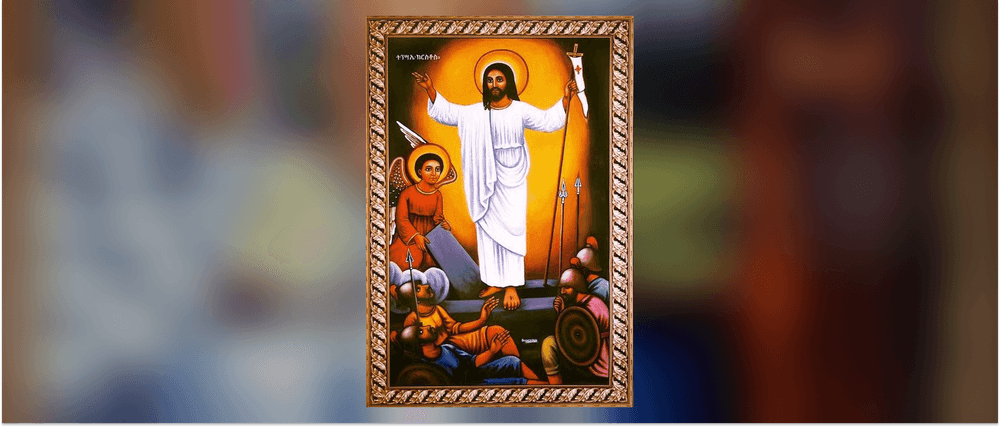
The Sacrament of the resurrection of the Dead
This article explores the profound theological understanding of the Resurrection of the Dead as a central sacrament in the Ethiopian Orthodox Tewahedo Church, emphasizing its role as one of the five pillars of mystery that support the faith. It examines the church's belief in the physical resurrection of all humanity, the eschatological hope rooted in Christ's victory over death, and the connection between the Eucharist and the promise of eternal life. The article reveals how the Ethiopian Orthodox Church maintains a consistent and ancient tradition of resurrection theology, drawing from both scriptural foundations and early Christian doctrine.
by Unknown —8 min read
The Sacrament of the Resurrection of the Dead in the Ethiopian Orthodox Church
Introduction
In the Ethiopian Orthodox Tewahedo Church, the Resurrection of the Dead is not merely a future event but a foundational mystery that shapes the entire Christian life. This sacrament, one of the five pillars of mystery, is deeply interwoven with the church's understanding of salvation, the nature of Christ, and the ultimate destiny of humanity. The Ethiopian Orthodox Church teaches that the resurrection is not a symbolic or metaphorical concept but a literal, physical reality that will be fulfilled at the Second Coming of Christ. This belief is rooted in the ancient patristic tradition and is expressed through liturgical practice, theological teaching, and the lived experience of the faithful.
The Five Pillars of Mystery
The Ethiopian Orthodox Church identifies five foundational mysteries that support and strengthen the faithful in their religious beliefs. These are:
- The Trinity – The mystery of the one God in three persons
- The Incarnation – The mystery of God becoming man in Jesus Christ
- Baptism – The sacrament of spiritual rebirth and initiation into the Church
- Eucharist – The sacrament of the Body and Blood of Christ
- The Resurrection of the Dead – The mystery of bodily resurrection at the end of time
These five pillars form the theological framework of the Ethiopian Orthodox faith, with the Resurrection of the Dead serving as the ultimate fulfillment of God's redemptive plan [7]. The church teaches that the resurrection is not a separate doctrine but an essential component of the Eucharistic mystery, as the faithful participate in Christ's resurrection through the Holy Communion [3].
Theological Foundation of the Resurrection
Christ as the Firstfruits of the Resurrection
The Ethiopian Orthodox Church holds that the resurrection of Jesus Christ is the first and most significant act of resurrection, establishing the pattern for all future resurrection. As the Apostle Paul states, "Christ has been raised from the dead, the firstfruits of those who have fallen asleep" (1 Corinthians 15:20) [6]. Christ's resurrection is not merely a spiritual event but a physical one, as He appeared to His disciples with a tangible body that could be touched and eaten [8].
The church teaches that Christ's resurrection was not an isolated event but the beginning of a new creation. Through His victory over death, Christ has broken the power of death and opened the way for all believers to share in His resurrection [6]. This is why the Ethiopian Orthodox Church celebrates the Resurrection as one of its most important feasts, with the Easter season (Fasika) being the culmination of the liturgical year [1].
The Reality of Bodily Resurrection
The Ethiopian Orthodox Church emphasizes the bodily nature of the resurrection, rejecting any notion of spiritual or metaphorical resurrection. The church teaches that the resurrection involves the reuniting of the soul with the body, which will be transformed into a glorified, immortal state. This belief is rooted in the Nicene Creed, which affirms: "We believe in the resurrection of the dead, and in the life of the world to come" [4].
The church teaches that both the righteous and the sinners will be resurrected, but their destinies will differ. The righteous will enter into eternal life in heaven, while the wicked will face eternal punishment in hell. This dual resurrection reflects the church's understanding of divine justice and the final judgment [4].
The Role of the Holy Spirit
The Ethiopian Orthodox Church teaches that the Holy Spirit plays a crucial role in the resurrection process. Through the power of the Holy Spirit, the faithful are already participating in the resurrection life, even while they are still in their mortal bodies. This is why the church emphasizes the importance of the Eucharist, which is seen as a foretaste of the heavenly banquet and a participation in the resurrection life of Christ [3].
The Holy Spirit is also seen as the agent of transformation, working in the lives of the faithful to prepare them for the resurrection. This transformation is reflected in the church's emphasis on spiritual disciplines such as fasting, prayer, and almsgiving, which are seen as means of purifying the soul and preparing the body for resurrection [7].
The Resurrection in Liturgical Practice
The Easter Season (Fasika)
The Easter season, known as Fasika, is the most important time in the Ethiopian Orthodox liturgical calendar. It begins with the Great Lent (Hudade), a 55-day period of fasting and prayer that prepares the faithful for the celebration of Christ's resurrection. The Lenten period is followed by the Triduum, which includes Holy Thursday, Good Friday, and Holy Saturday, culminating in the joyous celebration of Easter Sunday.
During the Easter season, the church emphasizes the themes of resurrection and new life. The liturgy includes special readings from the Old Testament that prefigure Christ's resurrection, such as the story of the three Hebrews in the fiery furnace and the raising of Lazarus. The church also celebrates the feast of Timkat (Epiphany), which commemorates Christ's baptism and is seen as a prefiguration of His resurrection [1].
The Role of the Tabot
The Tabot, a sacred ark that represents the presence of God, plays a significant role in the liturgical celebration of the Resurrection. The Tabot is believed to be the earthly manifestation of the Ark of the Covenant and is treated with the utmost reverence. During the Easter season, the Tabot is carried in processions, symbolizing the journey of Christ from death to resurrection.
The Tabot is also seen as a symbol of the church's hope in the resurrection. Just as the Ark of the Covenant was believed to contain the presence of God, the Tabot is believed to contain the presence of Christ, who is the "firstfruits of the resurrection" [6]. The faithful believe that by venerating the Tabot, they are participating in the mystery of Christ's resurrection.
The Resurrection and the Eucharist
The Eucharist as a Foretaste of the Resurrection
The Ethiopian Orthodox Church teaches that the Eucharist is not merely a memorial of Christ's sacrifice but a participation in His resurrection. Through the Eucharist, the faithful are united with Christ in His death and resurrection, and they receive the promise of their own resurrection. This is why the church teaches that the bread and wine are not merely symbols but the actual Body and Blood of Christ, which are transformed through the power of the Holy Spirit [3].
The Eucharist is seen as a "foretaste" of the heavenly banquet, where the faithful will one day share in the fullness of Christ's resurrection life. This understanding is reflected in the church's practice of reserving the consecrated elements in the tabernacle, which is seen as a sign of the faithful's hope in the resurrection [7].
The Eucharist and the Resurrection of the Dead
The Ethiopian Orthodox Church teaches that the Eucharist is the means by which the faithful are prepared for the resurrection of the dead. Through the Eucharist, the faithful are nourished by the Body and Blood of Christ, which strengthens them for the journey of faith and prepares them for the final resurrection. This is why the church teaches that the Eucharist is not only a sacrament of unity but also a sacrament of transformation [3].
The church also teaches that the Eucharist is a sign of the unity of the Church in heaven and on earth. Through the Eucharist, the faithful are united with the saints and angels in heaven, and they participate in the eternal worship of God. This understanding is reflected in the church's practice of commemorating the saints during the liturgy, which is seen as a participation in the heavenly liturgy [7].
The Resurrection and the Church's Mission
The Church as a Sign of the Resurrection
The Ethiopian Orthodox Church teaches that the Church itself is a sign of the resurrection. The Church is seen as the body of Christ, and its members are called to live in a way that reflects the resurrection life of Christ. This is why the church emphasizes the importance of holiness and moral purity, which are seen as necessary for participating in the resurrection life.
The church also teaches that the Church is called to be a witness to the resurrection in the world. Through its mission and evangelization, the Church proclaims the good news of Christ's resurrection and invites others to share in the promise of eternal life. This is why the church places a strong emphasis on evangelization and catechesis, which are seen as means of preparing others for the resurrection.
The Resurrection and the Hope of the Faithful
The Ethiopian Orthodox Church teaches that the hope of the resurrection is the source of the faithful's joy and courage. This hope is not based on human effort or merit but on the grace of God, who has promised to raise the dead and give eternal life to all who believe in Christ. This hope is expressed in the church's liturgical practices, which emphasize the themes of joy, light, and new life.
The church also teaches that the hope of the resurrection is a source of comfort in times of suffering and death. The faithful believe that through Christ's resurrection, death has been conquered, and that all who die in Christ will one day be raised to new life. This hope is expressed in the church's prayers for the dead, which are seen as a participation in the resurrection life of Christ [1].
Conclusion
The Resurrection of the Dead is a central and foundational mystery in the Ethiopian Orthodox Tewahedo Church. It is not merely a future event but a present reality that shapes the entire Christian life. Through the Eucharist, the faithful participate in Christ's resurrection and receive the promise of their own resurrection. The church's liturgical practices, theological teachings, and spiritual disciplines all point toward the hope of the resurrection, which is seen as the ultimate fulfillment of God's redemptive plan.
The Ethiopian Orthodox Church teaches that the resurrection is not a solitary event but a communal one, in which all of humanity will be raised to new life. This hope is rooted in the ancient patristic tradition and is expressed through the church's commitment to the five pillars of mystery. As the church continues to face the challenges of the modern world, its faithful remain steadfast in their belief in the resurrection, which is seen as the ultimate source of hope and joy.
The Latest
Read More
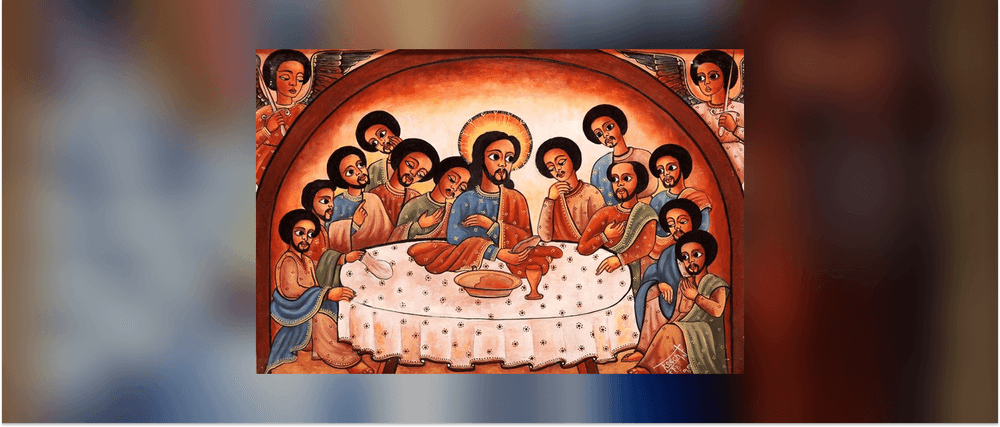
The Mystery of the Holy Communion
This article delves into the sacred Mystery of Holy Communion (*Qurban*) in the Ethiopian Orthodox Tewahedo Church, exploring its profound theological significance as the central act of Christian worship. It examines the unique liturgical practices, preparation requirements, and spiritual understanding that characterize the Ethiopian Orthodox Eucharist. The article reveals how this ancient church has preserved early Christian eucharistic traditions while developing distinctive practices that reflect its rich theological and cultural heritage.
Read Full Story