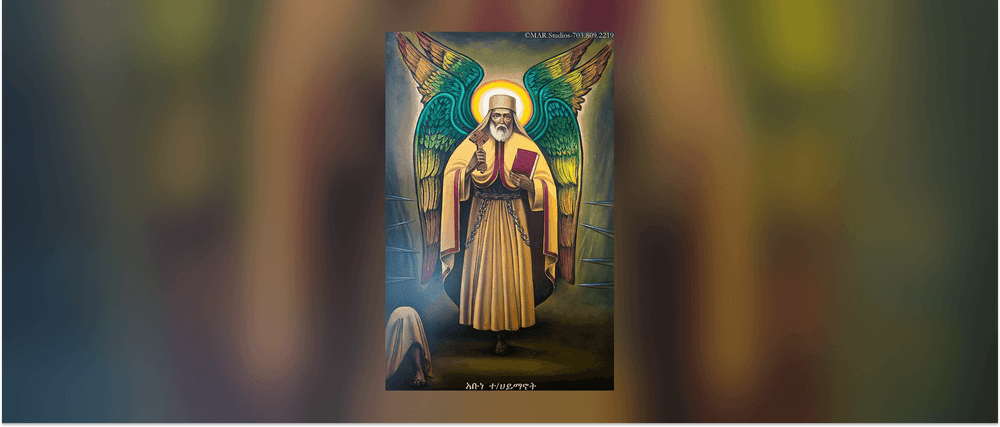
St. Teklehaymanot
St. Teklehaymanot is one of the most revered saints in the Ethiopian Orthodox Tewahedo Church, known for his extraordinary devotion and miraculous life. Born in the 13th century in Zorare, Ethiopia, he became a monk and devoted his life to prayer, fasting, and spreading Christianity throughout Ethiopia. According to tradition, he stood in prayer for seven years until one of his legs fell off, yet he continued standing on the other leg for another seven years. He is credited with founding numerous monasteries and is celebrated for his role in strengthening Ethiopian Christianity during a critical period in the nation's history.
by Unknown —4 min read
St. Teklehaymanot of Ethiopia: A Pillar of Faith and Devotion
Early Life and Spiritual Calling
St. Teklehaymanot was born into a devout Christian family in Zorare, a rural area in northern Ethiopia. His parents, deeply committed to their faith, had long prayed for a child and were overjoyed when he was born. From his earliest years, Teklehaymanot displayed an unusual spiritual awareness and a deep reverence for God. He was educated in the teachings of the Church and showed a natural aptitude for prayer and ascetic practices.
As a young man, he felt a strong calling to dedicate his life to God. He left his family and entered monastic life, where he studied under the guidance of experienced elders. His commitment to prayer, fasting, and self-denial quickly set him apart from his peers. He embraced the monastic ideals of humility, silence, and devotion, and soon became known for his extraordinary discipline and spiritual insight.
The Miraculous Stand: A Test of Faith
The most famous aspect of St. Teklehaymanot’s life is his legendary act of standing in prayer for fourteen years. According to the Ethiopic Synaxarium and oral traditions, he began a period of intense prayer and fasting, vowing to stand in the presence of God until he received divine guidance. He stood for seven years on both legs, and when one leg began to wither and eventually fell off, he continued to stand on the other leg for another seven years.
This act of physical and spiritual endurance was not merely a display of willpower—it was a profound act of worship and surrender. In the Ethiopian Orthodox tradition, such endurance is seen as a form of spiritual warfare and a direct communion with God. The saint’s body became a vessel of divine grace, and his unwavering posture symbolized his complete dedication to God’s will.
Miracles and Divine Intervention
Throughout his life, St. Teklehaymanot was credited with numerous miracles. He is said to have healed the sick, raised the dead, and performed wonders that defied natural explanation. One well-known story recounts how he restored life to a man who had died, bringing him back to his family in a miraculous resurrection. Another tale describes how he tamed wild animals, turning them into gentle companions through prayer and divine power.
He also played a crucial role in converting many pagans to Christianity. His teachings were simple yet powerful, emphasizing repentance, prayer, and the love of God. He traveled throughout Ethiopia, preaching the Gospel and establishing monasteries that became centers of learning and spiritual life.
Founding of Debre Libanos and Other Monasteries
St. Teklehaymanot is most famously associated with the founding of Debre Libanos Monastery, one of the most important religious sites in Ethiopia. Located in the Gondar region, the monastery became a spiritual and educational hub, attracting monks and pilgrims from across the country. The monastery is still active today, and its monks continue to follow the traditions established by the saint.
In addition to Debre Libanos, he is believed to have founded or influenced the establishment of many other monasteries throughout Ethiopia. These institutions became centers of Christian education, manuscript preservation, and liturgical practice. His teachings emphasized the importance of scripture, prayer, and community, and his legacy continues to shape Ethiopian Orthodox spirituality.
Theological Significance and Veneration
St. Teklehaymanot is venerated not only for his miracles but also for his deep theological understanding and spiritual wisdom. He is seen as a bridge between the earthly and the divine, a man who lived in constant communion with God. In the Ethiopian Orthodox tradition, saints are believed to intercede on behalf of the faithful, and St. Teklehaymanot is one of the most sought-after intercessors.
His life exemplifies the core values of Ethiopian Orthodoxy: humility, sacrifice, and devotion. He is often depicted in icons with one leg, standing in prayer, symbolizing his enduring faith and the triumph of the spirit over the flesh. His story is taught in churches and schools throughout Ethiopia, inspiring generations of believers to live lives of faith and service.
Feast Day and Modern Observance
The Ethiopian Orthodox Church celebrates the feast of St. Teklehaymanot on the 24th of each month in the Ethiopian calendar, a unique tradition that reflects his enduring presence in the spiritual life of the Church. On this day, churches hold special liturgies, and faithful gather to pray, sing, and remember his life and miracles.
In modern times, St. Teklehaymanot remains a powerful symbol of faith and perseverance. His story continues to inspire Christians in Ethiopia and beyond, reminding them that through prayer and sacrifice, one can achieve profound spiritual transformation. His legacy lives on in the monasteries he founded, the communities he built, and the countless lives touched by his intercession.
Conclusion
St. Teklehaymanot’s life is a profound testament to the power of faith, prayer, and devotion. His unwavering commitment to God, even in the face of extreme physical suffering, has made him a beloved figure in Ethiopian Christianity. He is not only a saint but a model of spiritual discipline and divine love. As the Ethiopian Orthodox Church continues to honor his memory, his story remains a beacon of hope and inspiration for all who seek to walk the path of faith.
May the prayers of St. Teklehaymanot intercede for us all, and may his example guide us in our own spiritual journeys.
The Latest
Read More
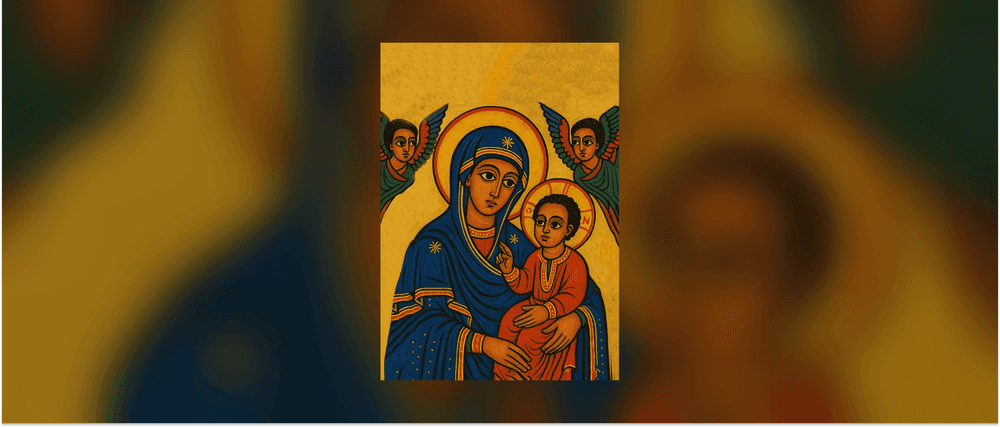
St. Mary
This blog article explores the life and significance of St. Mary, the Virgin Mother of Jesus Christ, within the context of the Ethiopian Orthodox Tewahedo Church. It highlights her veneration as the Mother of God (Theotokos) and emphasizes her role as a central figure in Christian theology and devotion. The article details her birth in Nazareth, the story of her parents Joachim and Anna, and the divine announcement of her role in salvation history. It underscores the importance of her life as a model of humility, faith, and obedience, and describes how the Ethiopian Orthodox Church celebrates her birth on Genebot 1 (May 9). The article also reflects on her enduring spiritual significance and intercessory role, drawing connections between her life and the broader Christian tradition. The narrative is enriched by references to the Ethiopian Orthodox liturgical calendar, the Synaxarium, and the spiritual legacy of the Church, offering a comprehensive view of St. Mary’s veneration in Ethiopia.
Read Full Story