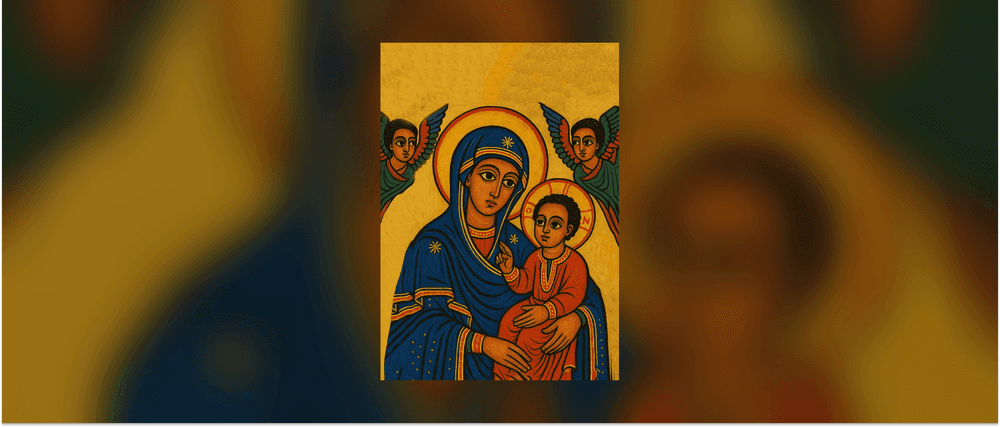
St. Mary
This blog article explores the life and significance of St. Mary, the Virgin Mother of Jesus Christ, within the context of the Ethiopian Orthodox Tewahedo Church. It highlights her veneration as the Mother of God (Theotokos) and emphasizes her role as a central figure in Christian theology and devotion. The article details her birth in Nazareth, the story of her parents Joachim and Anna, and the divine announcement of her role in salvation history. It underscores the importance of her life as a model of humility, faith, and obedience, and describes how the Ethiopian Orthodox Church celebrates her birth on Genebot 1 (May 9). The article also reflects on her enduring spiritual significance and intercessory role, drawing connections between her life and the broader Christian tradition. The narrative is enriched by references to the Ethiopian Orthodox liturgical calendar, the Synaxarium, and the spiritual legacy of the Church, offering a comprehensive view of St. Mary’s veneration in Ethiopia.
by Unknown —5 min read
St. Mary: The Virgin Mother of God in the Ethiopian Orthodox Tradition
In the rich tapestry of Christian faith, few figures hold as much reverence and devotion as St. Mary, the Virgin Mother of Jesus Christ. Within the Ethiopian Orthodox Tewahedo Church, her veneration is profound, deeply rooted in scripture, tradition, and the spiritual life of the faithful. This article explores the life, significance, and enduring legacy of St. Mary, not only as the Mother of God (Theotokos) but also as a central figure in the spiritual narrative of Ethiopia.
The Birth of the Pure Virgin
The Ethiopian Orthodox Church celebrates the birth of St. Mary on Genebot 1, which corresponds to May 9 in the Gregorian calendar. This feast day, known as the Feast of the Nativity of the Theotokos, is a significant occasion marked by special liturgies, prayers, and communal gatherings. The celebration reflects the Church’s deep respect for Mary’s role in the divine plan of salvation.
According to the Ethiopian Synaxarium, Mary was born in Nazareth, a city in Galilee, to devout parents named Joachim and Anna. Their story is one of faith, patience, and divine intervention. Initially, Joachim and Anna were childless, a source of sorrow and social stigma in their community. However, they were deeply committed to God and turned to Him in prayer. They fasted and sought His will, believing that He would bless them with a child.
One day, while Joachim was praying on the mountain, an angel of the Lord appeared to him and declared: "The Lord will give you offspring through whom salvation comes to the world." This divine announcement brought immense joy and relief to Joachim, who immediately descended the mountain to share the news with his wife, Anna. Upon hearing the message, Anna rejoiced, gave thanks to the Lord, and made a vow that the child born to her would serve in the house of the Lord for all the days of her life.
A Life of Devotion and Obedience
The story of Mary’s birth is not merely a historical account but a profound theological narrative. It underscores the themes of faith, humility, and divine providence. Mary’s parents, though initially sorrowful, remained steadfast in their belief in God’s promises. Their prayers were answered not only with the gift of a child but with the assurance that this child would play a pivotal role in the redemption of humanity.
Mary herself, from her earliest days, is believed to have been set apart for a sacred purpose. Her life is a testament to obedience and surrender to God’s will. When the angel Gabriel appeared to her in Nazareth and announced that she would conceive and bear the Son of God, Mary responded with the words: "Behold, I am the handmaid of the Lord; let it be to me according to your word." This humble acceptance marked the beginning of the Incarnation—the moment when God became man in Jesus Christ.
Theological Significance and Veneration
In the Ethiopian Orthodox tradition, St. Mary is venerated as the Theotokos, meaning "God-bearer" or "Mother of God." This title affirms the divine nature of Jesus Christ and emphasizes Mary’s unique role in salvation history. She is not merely a mother in the human sense but a mediator of grace, a model of faith, and a source of intercession for the faithful.
The Church teaches that Mary’s life was one of purity, humility, and unwavering devotion. She is often depicted in icons as a serene and compassionate figure, symbolizing divine love and maternal care. Her role as the Mother of God is central to the Church’s understanding of the Incarnation and the mystery of the Trinity.
The Feast of the Nativity of the Theotokos
The Feast of the Nativity of the Theotokos is one of the most important celebrations in the Ethiopian Orthodox liturgical calendar. On this day, churches are adorned with flowers and candles, and the faithful gather to sing hymns, read scripture, and partake in the Eucharist. The liturgy includes readings from the Old Testament, particularly the Book of Wisdom and the Book of Isaiah, which foreshadow Mary’s role in salvation history.
The celebration also includes processions, prayers for intercession, and special readings from the Synaxarium, a collection of saints’ lives and feast days. The faithful are encouraged to reflect on Mary’s life as a model of faith, obedience, and service. Many also make vows or offerings in her honor, seeking her intercession for health, peace, and spiritual growth.
Mary’s Legacy in Ethiopian Christianity
St. Mary’s legacy extends far beyond her role as the mother of Jesus. She is a symbol of hope and salvation for the Ethiopian Orthodox faithful. Her life inspires believers to live with faith, humility, and devotion. The Church teaches that Mary’s intercession is powerful and that she is always ready to advocate for her children.
In Ethiopian Orthodox monasteries, Mary is often depicted in icons alongside other saints and angels. Her image is found in churches, homes, and monastic cells, serving as a constant reminder of her presence and protection. The monastic tradition of the Church places a strong emphasis on prayer, fasting, and contemplation, values that are deeply rooted in Mary’s example.
Conclusion: A Timeless Model of Faith
The story of St. Mary is one of divine love, human faith, and the triumph of God’s plan. Her life, from her birth to her role in the Incarnation, is a testament to the power of faith and obedience. In the Ethiopian Orthodox Tewahedo Church, she is not only a saint but a mother figure, a source of comfort, and a model of spiritual excellence.
As the Church continues to celebrate her birth on Genebot 1, the faithful are reminded of the profound mystery of the Incarnation and the enduring significance of Mary’s role in salvation history. Her life continues to inspire generations of believers to live with faith, humility, and devotion, following in the footsteps of the Pure Virgin Mary, the Mother of God.
May the prayers of St. Mary intercede for us all, and may her example guide us in our own spiritual journeys.
The Latest
Read More
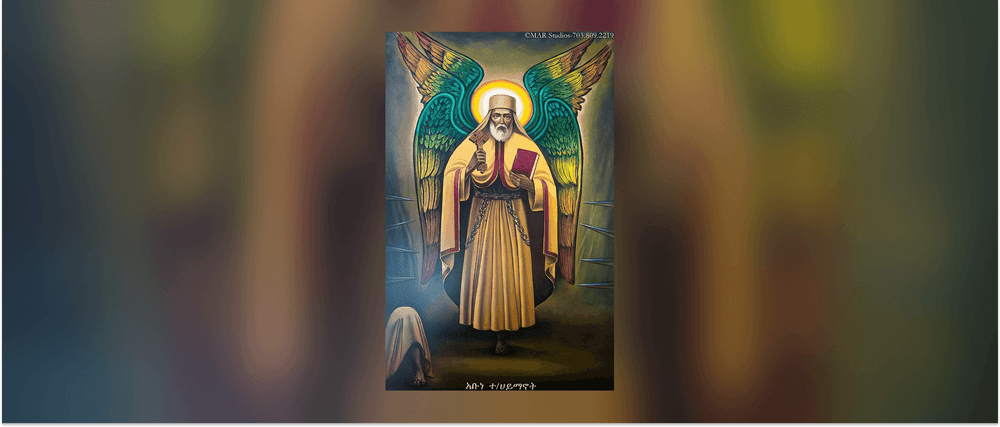
St. Teklehaymanot
St. Teklehaymanot is one of the most revered saints in the Ethiopian Orthodox Tewahedo Church, known for his extraordinary devotion and miraculous life. Born in the 13th century in Zorare, Ethiopia, he became a monk and devoted his life to prayer, fasting, and spreading Christianity throughout Ethiopia. According to tradition, he stood in prayer for seven years until one of his legs fell off, yet he continued standing on the other leg for another seven years. He is credited with founding numerous monasteries and is celebrated for his role in strengthening Ethiopian Christianity during a critical period in the nation's history.
Read Full Story