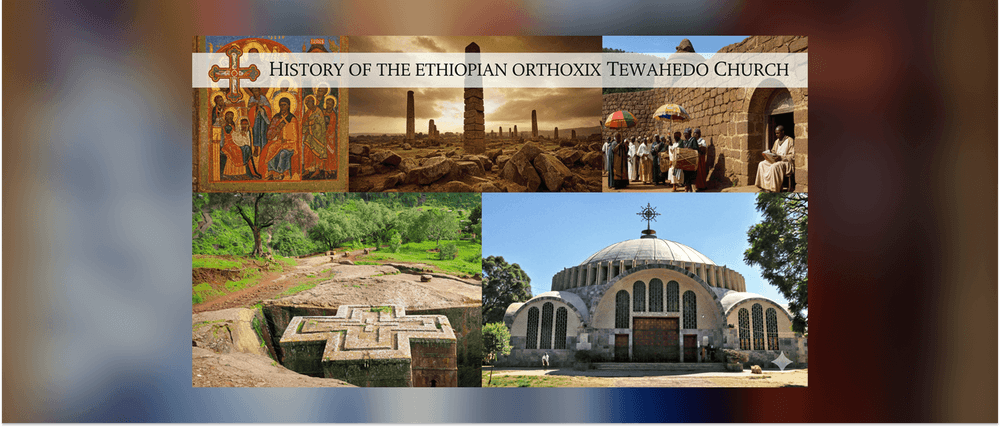
History of the Ethiopian Orthodox Tewahedo Church
The Ethiopian Orthodox Tewahedo Church (EOTC) is one of the world's oldest Christian churches, established in the 4th century CE under King Ezana of Aksum. Tradition traces its origins to the Ethiopian eunuch baptized by Philip (Acts 8:26-40), with Syrian monks known as the Nine Saints solidifying the faith in the 5th-6th centuries. The church remained under the Coptic Patriarch of Alexandria until gaining independence in 1959. It preserves unique traditions including Ge'ez liturgy, Saturday and Sunday Sabbath observance, Jewish-influenced dietary laws, and claims to house the Ark of the Covenant in Axum. Despite surviving Islamic expansion, Portuguese Catholic pressure, and political upheavals, the EOTC remains central to Ethiopian identity.
by Unknown —7 min read
History of the Ethiopian Orthodox Tewahedo Church
Early Origins and Apostolic Foundations
The Ethiopian Eunuch Tradition
The EOTC traces its apostolic origins to the account in Acts 8:26-40, where Philip the Evangelist baptized an Ethiopian court official of Queen Candace. Ethiopian tradition identifies this figure as the first Ethiopian Christian who brought the faith back to his homeland, though historical Christianity in Ethiopia is more definitively established in the 4th century.
The Aksumite Conversion (4th Century)
The formal establishment of Christianity in Ethiopia occurred during the reign of King Ezana of Aksum (r. c. 320-360 CE). Two Syrian Christian brothers, Frumentius and Aedesius, were shipwrecked on the Red Sea coast and brought to the Aksumite court. Frumentius eventually converted King Ezana to Christianity, making Aksum one of the first Christian kingdoms in the world, alongside Armenia and Georgia.
Frumentius traveled to Alexandria and was consecrated as the first Bishop of Aksum by Patriarch Athanasius around 330 CE, establishing the crucial link between the Ethiopian and Alexandrian churches that would last for over 1,600 years.
The Nine Saints and Monastic Tradition (5th-6th Centuries)
Arrival of the Nine Saints
In the late 5th and early 6th centuries, nine Syrian monks (the Tsadkan or Nine Saints) arrived in Ethiopia, fleeing persecution following the Council of Chalcedon (451 CE). These monks:
- Abba Aregawi (Za-Mikael) - founded Debre Damo monastery
- Abba Pantelewon - founded a monastery in Aksum
- Abba Garima - founded Debre Garima monastery
- Abba Afse, Abba Guba, Abba Alef, Abba Yem'ata, Abba Liqanos, and Abba Sehma
Contributions
The Nine Saints translated the Bible into Ge'ez, established monasteries throughout northern Ethiopia, and spread Christianity beyond the Aksumite elite to the broader population. They introduced monastic traditions that became central to Ethiopian Christianity.
Theological Development and Non-Chalcedonian Identity
Rejection of Chalcedon
The EOTC, along with the Coptic, Syrian, and Armenian churches, rejected the Council of Chalcedon's christological formulation. The Ethiopian church embraced Miaphysitism (the belief in one united divine-human nature of Christ), following the theology of Cyril of Alexandria rather than the Chalcedonian two-natures doctrine.
Unique Ethiopian Practices
The church developed distinctive practices including:
- Sabbath observance: Both Saturday and Sunday are observed as holy days
- Dietary laws: Similar to Kashrut, including prohibition of pork
- Circumcision: Maintained as a religious practice
- Ark of the Covenant tradition: Belief that the Ark resides in Axum
- Ge'ez liturgy: Use of the ancient Ge'ez language in worship
Medieval Period and Zagwe Dynasty (10th-13th Centuries)
The Zagwe Dynasty
The Zagwe dynasty (c. 1137-1270) produced some of Ethiopia's most remarkable Christian monuments. King Lalibela (r. c. 1181-1221) commissioned the famous rock-hewn churches of Lalibela, carved from solid rock as a "New Jerusalem" when Muslim control of the Holy Land prevented Ethiopian pilgrimages.
Monastic Expansion
This period saw massive expansion of monasteries, which became centers of learning, manuscript production, and cultural preservation. Monasteries like Debre Libanos, Debre Damo, and Lake Tana monasteries became repositories of Ethiopian Christian civilization.
Solomonic Restoration and Golden Age (13th-16th Centuries)
The Solomonic Dynasty
In 1270, the Solomonic dynasty claimed power, asserting descent from King Solomon and the Queen of Sheba. This legitimized royal authority through biblical connection and strengthened the church-state relationship.
Literary and Artistic Flourishing
The 14th-16th centuries witnessed:
- Production of illuminated manuscripts
- Development of distinctive Ethiopian iconography
- Composition of religious literature including the Kebra Nagast (Glory of Kings), which narrates the Queen of Sheba story and legitimizes the Solomonic dynasty
- Translation and composition of theological works
The Fetha Nagast (Law of Kings), a legal code combining biblical law with Roman-Byzantine law, governed both church and state.
Islamic Expansion and Portuguese Intervention (16th-17th Centuries)
Ahmad ibn Ibrahim al-Ghazi's Invasion (1529-1543)
The Muslim leader Ahmad Gragn ("the Left-Handed") invaded Christian Ethiopia, destroying churches, monasteries, and manuscripts. The Ethiopian emperor Lebna Dengel sought Portuguese assistance.
Portuguese Jesuits and Catholic Pressure
Portuguese military aid came with Jesuit missionaries attempting to convert Ethiopia to Catholicism. Emperor Susenyos (r. 1607-1632) briefly converted to Catholicism in 1622, causing civil war. His son Fasilides (r. 1632-1667) restored Orthodox Christianity, expelled the Jesuits, and established the new capital at Gondar.
Gondarene Period
The Gondar period (1632-1855) saw architectural achievements including castle complexes and churches with unique Gondarine artistic style, but also increasing isolation from European Christianity.
Era of Princes and Reunification (18th-19th Centuries)
Zemene Mesafint (Era of Princes, 1769-1855)
A period of political fragmentation where regional warlords held power while emperors remained figureheads. Despite political chaos, the church maintained social cohesion and cultural continuity.
Emperor Tewodros II and Modernization
Emperor Tewodros II (r. 1855-1868) began reunifying Ethiopia and attempted church reforms, including reducing monastic land holdings and clergy numbers, creating tensions with church leadership.
Emperor Yohannes IV
Emperor Yohannes IV (r. 1872-1889) was deeply religious and strengthened Orthodox Christianity, enforcing conversion of Muslims and other groups, though this created internal tensions.
Modern Era and Autocephaly (20th Century)
Emperor Menelik II and Expansion
Emperor Menelik II (r. 1889-1913) expanded Ethiopia's borders southward, bringing new populations under Orthodox influence, though many retained traditional beliefs or Islam.
Emperor Haile Selassie and Independence
Emperor Haile Selassie I (r. 1930-1974) modernized the church and negotiated its independence from Alexandria. In 1959, the Coptic Church consecrated Abuna Basilios as the first Ethiopian-born Patriarch, granting the EOTC autocephaly (self-governance) after over 1,600 years of Egyptian oversight.
Italian Occupation (1936-1941)
During the Italian occupation, the church suffered persecution but remained a symbol of resistance. Many clergy were killed, including Abuna Petros, who was executed for opposing Italian rule.
Communist Era and Persecution (1974-1991)
Derg Regime
The Marxist Derg regime that overthrew Haile Selassie in 1974 officially separated church and state, confiscated church lands, and persecuted clergy. Patriarch Abuna Tewophilos was executed in 1979.
Church Survival
Despite severe persecution, the church survived underground, with many clergy imprisoned or killed. The church's deep roots in Ethiopian society prevented its complete suppression.
Contemporary Period (1991-Present)
Post-Derg Recovery
After the Derg's fall in 1991, the EOTC regained freedom but faced new challenges:
- Competition from Protestant evangelical movements
- Internal administrative disputes
- Diaspora community growth
- Modernization pressures
Schisms and Challenges
The church experienced internal divisions, including:
- 1991-1992: Dispute over Patriarch Merkorios's resignation, leading to a schism with diaspora communities
- 2019-present: Tensions with the Ethiopian government and ethnic conflicts affecting church unity
Current Status
Today, the EOTC claims approximately 36-45 million members (though estimates vary), making it the largest of the Oriental Orthodox churches. It maintains:
- Ancient liturgical traditions in Ge'ez
- Extensive monastic networks
- Significant diaspora communities worldwide
- Major pilgrimage sites including Lalibela, Axum, and Debre Libanos
Distinctive Features and Practices
Liturgy and Worship
- Ge'ez language: Ancient Semitic language used in liturgy
- Qene: Sophisticated tradition of liturgical poetry
- Drumming and dance: Distinctive use of drums, sistra, and prayer sticks
- Tabot: Replica of Ark of Covenant present in every church
Fasting Practices
The EOTC observes approximately 250 fasting days annually, including:
- Wednesday and Friday fasts
- Great Lent (55 days)
- Advent fast (40 days)
- Apostles' Fast, Assumption Fast, and others
Calendar
Uses the Ethiopian calendar, which is approximately 7-8 years behind the Gregorian calendar and has 13 months.
Clergy Structure
- Patriarch: Head of the church
- Bishops (Liqe Pappasat): Oversee dioceses
- Priests (Qes): Conduct liturgy and sacraments
- Deacons (Diyaqon): Assist in liturgy
- Monks and nuns: Monastic communities
Cultural and National Significance
The EOTC has been inseparable from Ethiopian national identity, preserving:
- Language: Ge'ez as liturgical and literary language
- Art: Distinctive iconographic tradition
- Literature: Vast manuscript tradition
- Architecture: Rock-hewn churches and unique church designs
- Music: Complex liturgical music tradition
The church's role in preserving Ethiopian independence during colonialism and its deep integration into daily life make it a defining institution of Ethiopian civilization.
Conclusion
The Ethiopian Orthodox Tewahedo Church represents one of Christianity's most ancient and distinctive traditions, having maintained its identity through nearly 1,700 years of history. From its origins in the Aksumite Kingdom through medieval flourishing, colonial pressures, communist persecution, and contemporary challenges, the EOTC has remained central to Ethiopian culture and spirituality. Its unique synthesis of Semitic, African, and Christian elements, combined with its claim to house the Ark of the Covenant and its preservation of ancient practices, make it a remarkable example of Christian diversity and endurance.
The Latest
You May Also Like
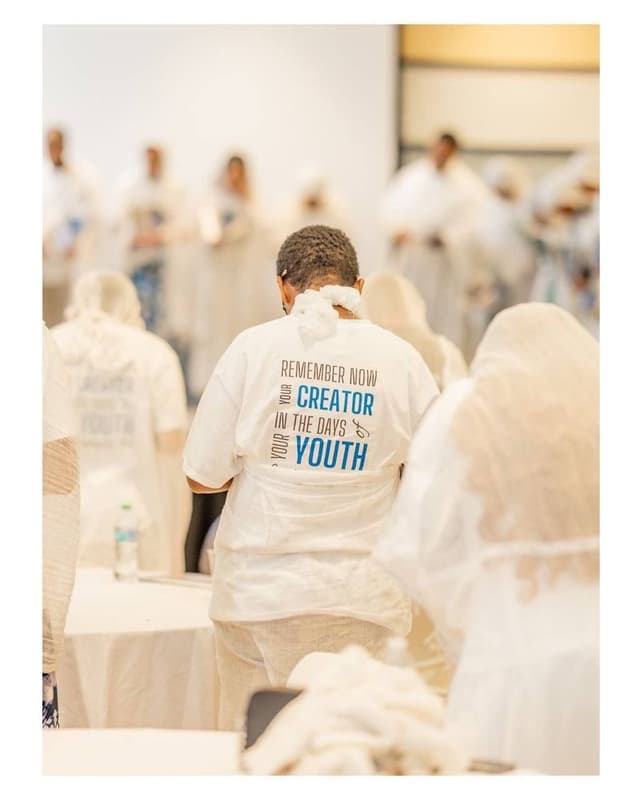
College and Spirituality
 Shimelis G
“Let us consider one another to provoke unto love and to good works, not forsaking the assembling of ourselves together…” Heb. 10:24-25
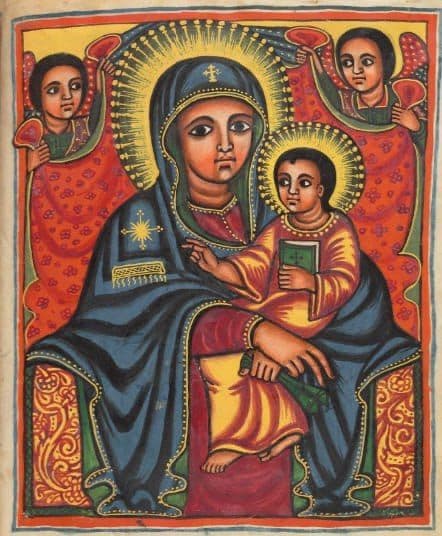
Oh Mary, dear Mary
 Unknown
Oh Mary, dear Mary, How great must your faith be? To submit to the will of God, At the annunciation That you shall give birth To the almighty
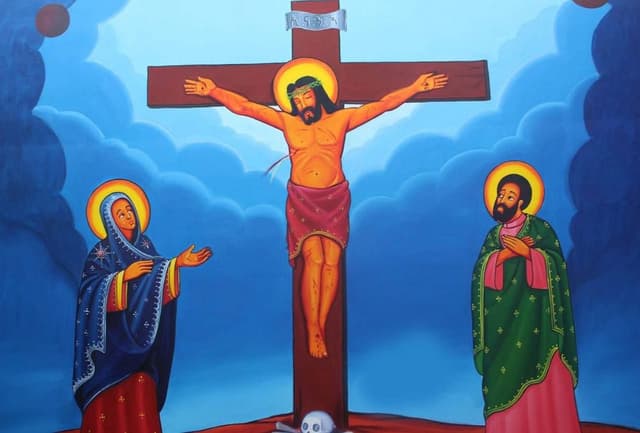
In Christ, my God
UnknownIn Christ, my God In morning's light and evening’s grace, Where shadows fall, and stars embrace, My heart in faith lifts to the skies, For Christ, my God, whose touch never dies.