Share
Like
Comment
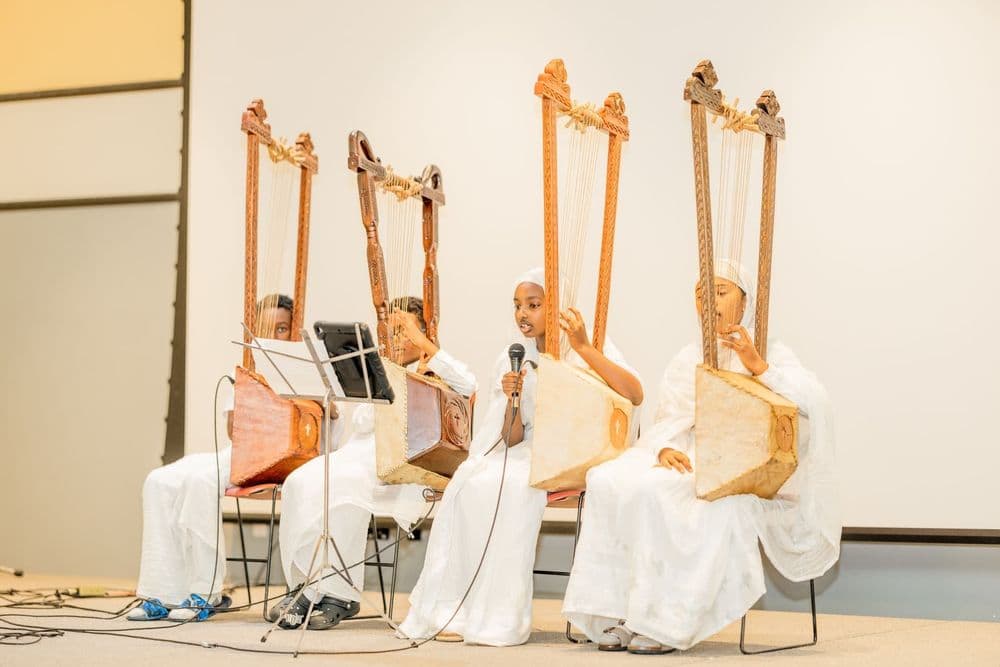
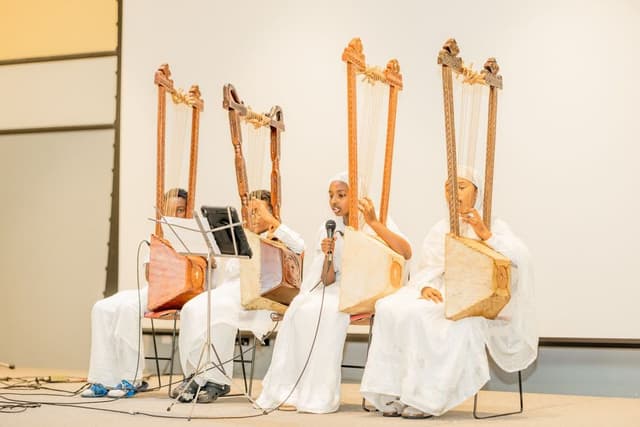
Begena mezmur, the sacred harp music of the Ethiopian Orthodox Tewahedo Church (EOTC), offers profound spiritual and developmental benefits for children. This ancient musical tradition helps young believers develop a deeper connection to their faith through melodic prayers and hymns. The practice enhances children's spiritual awareness, cultural identity, and moral foundation while providing cognitive benefits such as improved memory, concentration, and emotional regulation. Regular exposure to begena mezmur fosters patience, discipline, and reverence, while connecting children to centuries of Orthodox Christian tradition. It serves as a bridge between generations, teaching biblical stories and theological concepts through beautiful, meditative music that resonates with young hearts and minds.
by Shimelis G —2 min read
The begena, often called the "harp of David," holds a sacred place in Ethiopian Orthodox Tewahedo Church tradition. When children are introduced to begena mezmur (spiritual songs played on the begena), they receive gifts that extend far beyond musical appreciation.
Begena mezmur creates a contemplative atmosphere that helps children:
The lyrics of begena mezmur are drawn from:
Children absorb these stories naturally through repeated listening, building their scriptural knowledge.
Learning begena mezmur helps children:
Participating in this tradition fosters a sense of belonging to the EOTC community and creates bonds with other faithful children.
Exposure to begena mezmur enhances:
The calming, meditative nature of begena music helps children:
Learning to appreciate begena mezmur teaches:
The themes in mezmur reinforce:
Parents can:
Children benefit from:
Begena mezmur is not merely music—it is a spiritual tool that shapes young souls in the EOTC faith. By introducing children to this sacred tradition, we give them a lifelong companion for prayer, a connection to their heritage, and a pathway to deeper communion with God. In an increasingly noisy world, the gentle strings of the begena teach our children to find God in stillness and beauty.
 Unknown
Faith plays a vital role in children's development within the Ethiopian Orthodox Tewahedo Church (EOTC) tradition. It provides moral guidance, cultural identity, emotional stability, and a sense of community that helps children navigate life's challenges. Through prayer, fasting, and participation in church rituals, children develop discipline, compassion, and a strong spiritual foundation that supports their growth into responsible, faithful adults.